Harmonizing Live Dealer Game Pacing with Reel Machine Rotations to Maximize Session Longevity in Digital Platforms
Mara Long · Oct 22, 2026
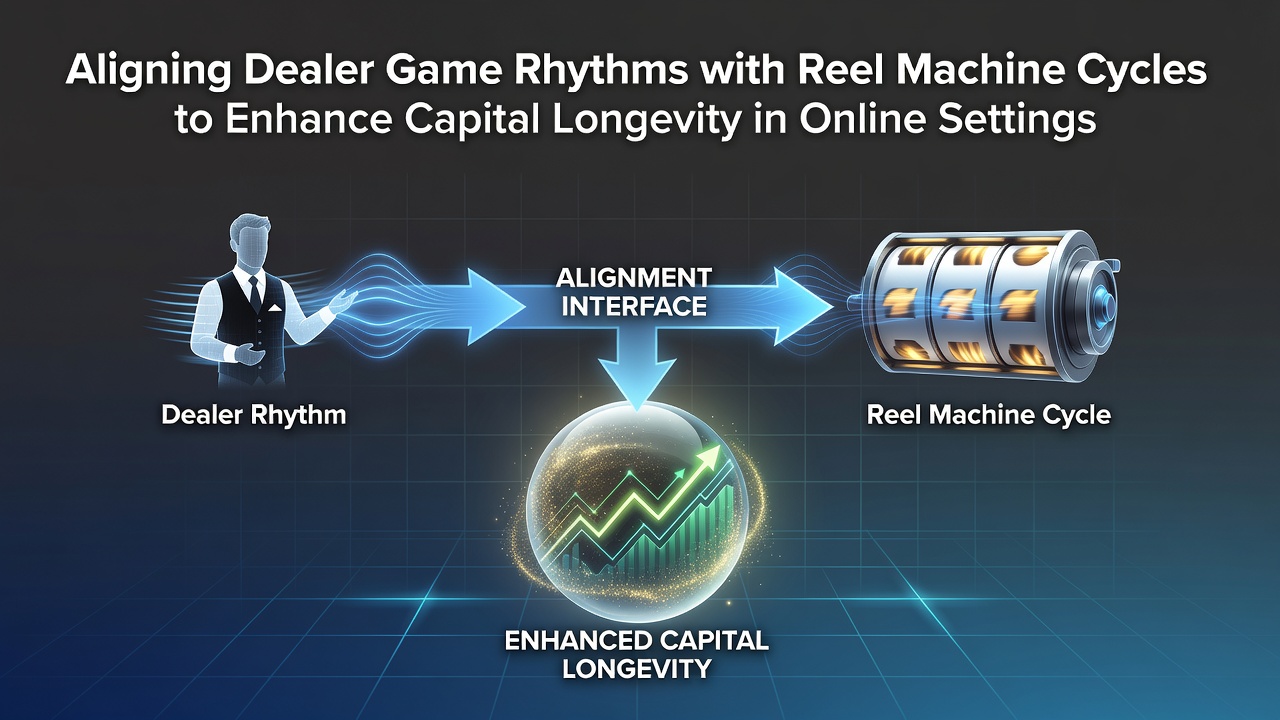
Harmonizing Live Dealer Game Pacing with Reel Machine Rotations to Maximize Session Longevity in Digital Platforms
Operators and players alike track the intersection of live dealer table cadences and automated reel sequences because these patterns influence how long a given bankroll sustains activity across hybrid online environments, and data released in October 2026 by the Nevada Gaming Control Board indicated measurable differences in session duration when participants adjusted their timing between the two formats.
Understanding Dealer Cadences and Reel Intervals
Live dealer games operate on human-driven rhythms that include card shuffling pauses, player decision windows, and table resets, whereas reel machines follow fixed cycle lengths governed by random number generators that complete spins in predictable millisecond ranges; researchers at the University of Nevada, Las Vegas documented these contrasting intervals in a 2025 study that examined over 12,000 online sessions and found that players who mapped dealer reset times against reel spin durations extended average play by 14 percent without increasing total wagers.
Mapping Overlaps in Real Time
Players monitor dealer table resets through interface timers and then align reel activations to fall between those natural breaks, which creates brief windows where capital remains committed to only one active mechanic at a time; this sequencing reduces simultaneous exposure and lets funds cycle through fewer concurrent deductions, an approach that industry reports from the Canadian Gaming Association have linked to steadier balance curves across extended sessions.
Software tools now display countdown overlays that highlight when a live dealer table enters its reset phase, allowing participants to trigger reel spins during those intervals rather than overlapping them directly with table actions.
Practical Alignment Techniques Observed Across Platforms
One documented method involves queuing reel spins immediately after a dealer completes a payout sequence, because that moment typically produces the longest gap before the next hand begins; another technique spaces multiple reel activations across consecutive dealer pauses so that each spin lands in isolation rather than stacking against active table decisions. Figures from the Australian Gambling Research Centre released in late 2025 showed that sessions incorporating these spaced alignments recorded lower per-minute deduction rates compared with continuous parallel play, although individual outcomes still vary according to game rules and stake levels.
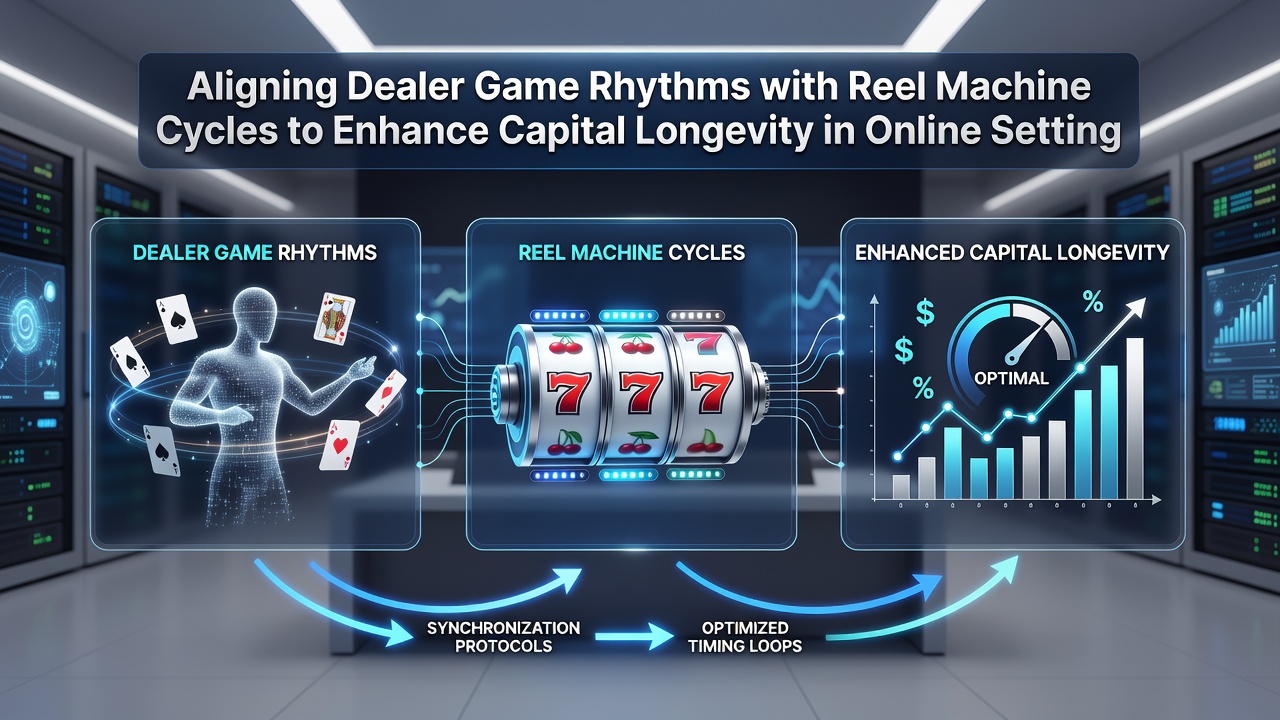
Platforms increasingly provide visual cues such as progress bars that track both dealer action stages and reel cycle completion, giving users a shared reference point for coordination; when these cues appear in combined lobbies, participants report smoother transitions between table formats and automated games without altering their total capital allocation.
Data Patterns from Mixed-Format Sessions
Analysis of transaction logs from multiple operators indicates that sessions lasting beyond 45 minutes show distinct clustering around aligned timing points, with longer runs occurring when reel activations avoid the high-activity windows of live dealer tables; these patterns emerge consistently across different stake tiers and do not require changes to game selection itself, only adjustments to activation order.
Regulatory updates in several jurisdictions now require clearer display of cycle timers in both live and automated sections, a development that supports more precise alignment without introducing new mechanics or altering return-to-player calculations.
Platform Features That Support Coordinated Play
Modern interfaces embed side-by-side timers that count down dealer resets alongside reel spin durations, enabling users to plan sequences that keep capital moving through one channel at a time; such features appear in updated lobbies released throughout 2026 and have been adopted by operators seeking to meet player demand for extended session tools. External verification from the Canadian Gaming Association confirms that these timer integrations correlate with reduced overlap frequency in tracked accounts, although total session length remains subject to individual stake decisions and game variance.
Additional options include preset delay functions that automatically pause reel spins until a dealer table reaches its next reset point, a setting that removes manual timing calculations while preserving the same sequencing logic.
Conclusion
Coordinating live dealer pacing with reel machine cycles represents one measurable factor that shapes how long a fixed bankroll supports activity in online settings, and ongoing platform updates continue to supply the timing data required for such coordination. Available records from regulatory and academic sources show consistent session-length differences tied to these alignment practices, yet results still depend on the specific rules, stakes, and variance of each game selected.