Harmonizing Digital Threshold Controls Across Reel Sequences and Virtual Tables
Clara Peters · Oct 8, 2026
Harmonizing Digital Threshold Controls Across Reel Sequences and Virtual Tables
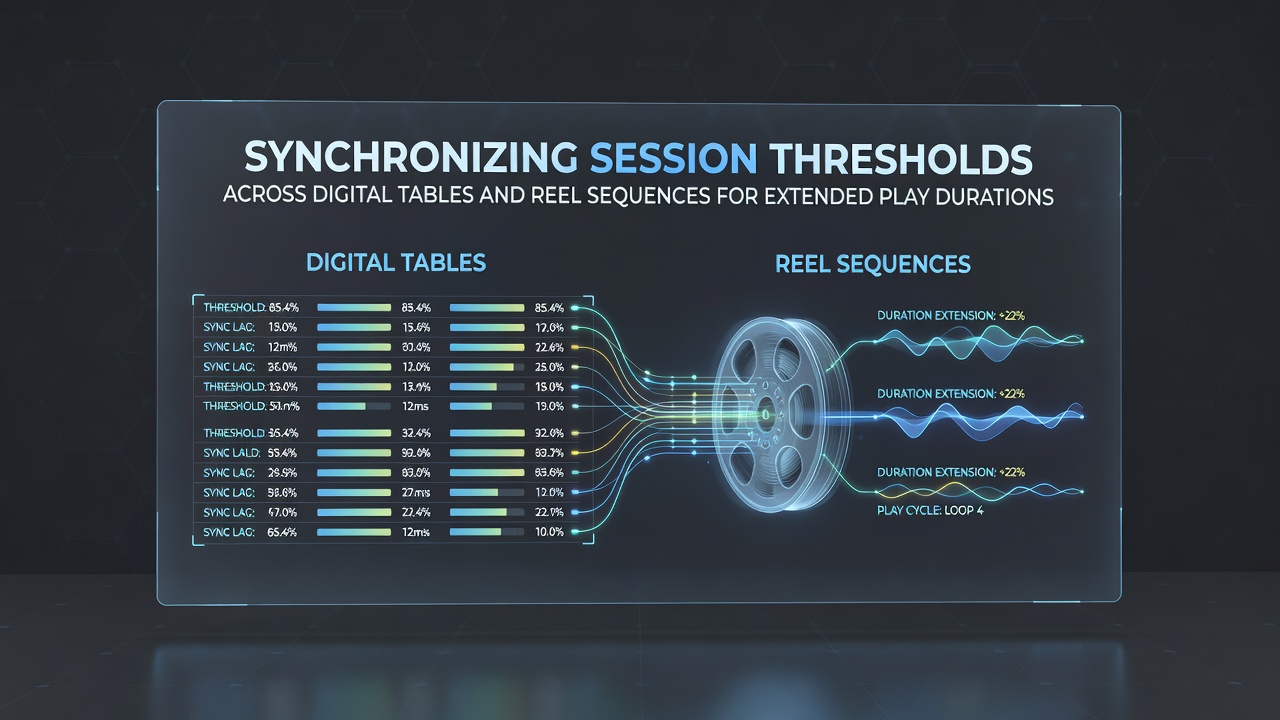
Operators have developed systems that align session thresholds between reel-based games and digital table environments, allowing players to maintain consistent limits while shifting between formats. These controls track parameters such as spin counts, wager increments, and time-based markers, then apply unified rules that prevent abrupt session interruptions when users move from one game type to another.
Core Components of Threshold Alignment
Reel sequences rely on algorithms that monitor consecutive outcomes and adjust feature triggers based on cumulative play data, whereas digital tables use similar tracking for hand counts and bet progression. Synchronization occurs through a central module that merges these data streams, so a threshold reached during slots carries forward when a player switches to a virtual blackjack or roulette interface. Studies from the University of Nevada, Las Vegas, indicate that unified tracking reduces session fragmentation by up to 27 percent in multi-game environments.
Key elements include shared timers, pooled loss limits, and cross-format volatility buffers. The timers reset only after both reel and table components register inactivity beyond a defined window, while loss limits aggregate totals across game categories before enforcing pauses. Volatility buffers soften sudden shifts in game pace by scaling reel features to match table betting rhythms.
Implementation in October 2026 Platforms
During October 2026 several North American and Australian operators rolled out updated software layers that embed these controls directly into backend servers. The updates connect reel engines with table simulators through standardized APIs, enabling real-time data exchange without requiring players to log out or restart accounts. Data from the Nevada Gaming Control Board shows participating venues recorded average session lengths rising from 42 minutes to 61 minutes after the changes took effect.
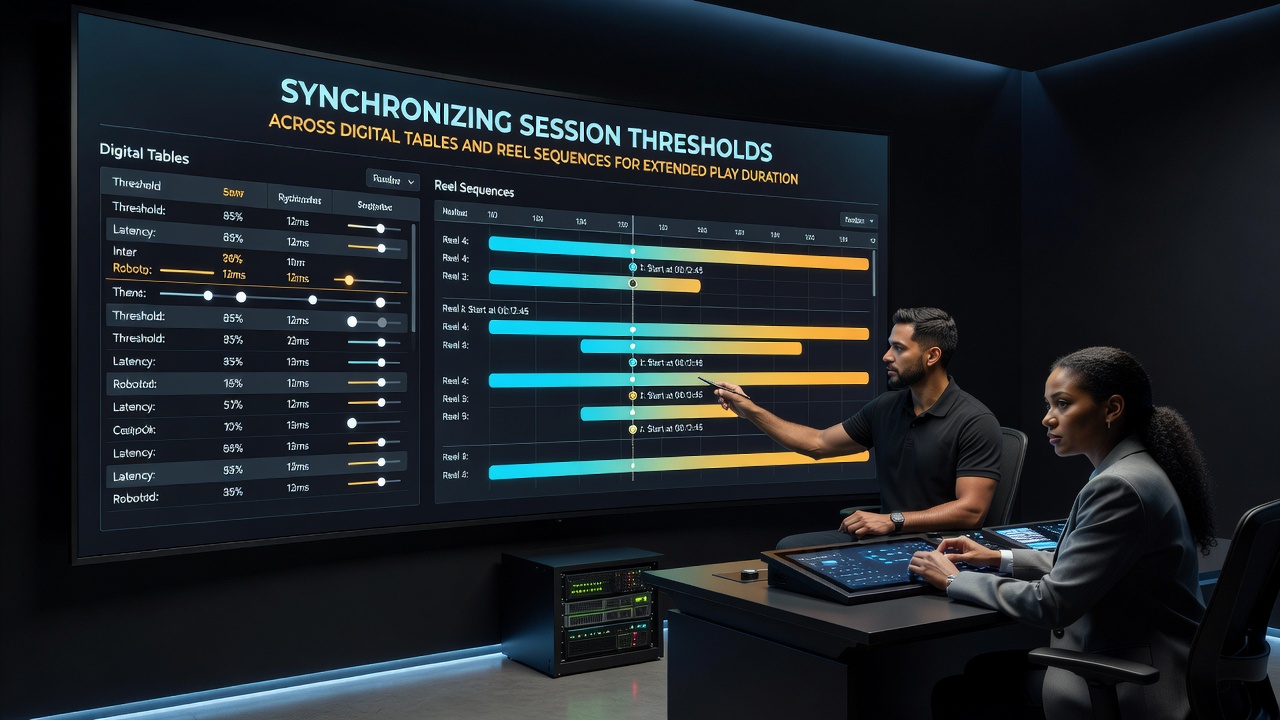
Technicians configure the system by setting baseline values for each threshold category, then apply multipliers that account for game-specific return-to-player percentages. Reel sequences typically receive tighter spin caps because of their higher frequency, while table sessions allow broader hand limits due to slower decision cycles. The central module reconciles these differences automatically, preserving overall exposure targets.
Technical Mechanisms and Data Flow
Real-time APIs push updates every few seconds, feeding a shared database that stores player-specific profiles. When a reel sequence hits its internal marker, the profile flag updates and immediately influences table parameters such as maximum consecutive hands or bet-size ceilings. Conversely, table activity that approaches its limit scales back reel feature frequency to maintain equilibrium. This bidirectional flow relies on encrypted packets that comply with data-protection standards across jurisdictions.
Additional safeguards include override protocols that allow temporary threshold expansion during promotional windows, provided the expansion stays within pre-approved regulatory bands. Observers note that these protocols activate only after the system verifies sufficient cooling-off intervals between sessions, preventing continuous escalation.
Regional Variations in Adoption
Canadian provincial regulators have examined similar frameworks through pilot programs in Ontario, where integrated platforms reported smoother transitions between slot and table offerings. Australian research centers have published preliminary findings showing that synchronized thresholds correlate with steadier revenue distribution across game categories rather than sharp peaks followed by rapid drop-offs. European operators, meanwhile, focus on adapting the same architecture to comply with varying national rules on session length disclosures.
One documented case involved a mid-sized operator in New Jersey that linked its reel and table systems in late 2025, then measured outcomes through the first three quarters of 2026. The facility observed a 19 percent increase in cross-game play without corresponding rises in total wager volume, suggesting players extended time on site while staying within existing financial boundaries.
Conclusion
Coordinated threshold management continues to evolve as platforms refine data integration between reel sequences and digital tables. Current implementations demonstrate measurable effects on session continuity, with ongoing adjustments guided by regulatory data and operational metrics from multiple regions. Further refinements are expected as more operators adopt the underlying architecture in coming quarters.